
Creative
insights

Building Meaningful Engagement: Best Practices for Public Awareness Campaigns in Local Government
From balancing budget constraints with priorities from multiple stakeholders to reaching diverse demographics while building both trust and credibility, local governments face unique challenges when it comes to municipal public awareness campaigns. All of these things need to be considered, but effective campaigns require more than good intentions—they demand strategic planning, authentic community engagement, and proven communication tactics that resonate with residents.
Adhering to a few best practices can allow you to go beyond good intentions and fulfill your community outreach goals. Let’s take a look at how you can incorporate public awareness campaigns best practices to help you build meaningful community
Community Engagement Strategies: Going Beyond Awareness
As strange as it may seem, in light of the continued use of the words “public awareness” for these given campaigns, successful local government communications need to go beyond awareness and into action. Simply providing information is not enough to affect behavior change. Your audience needs to not only know about an issue, but they also need to know what actions they can take to make a difference. And these actions need to be concisely stated with a clear, easy path towards taking them.
Our society provides most people with the means to do many things with less friction than we would have encountered in the past. Things like ordering groceries or household goods online, or having a meal delivered via an app. And yet, we also seemingly feel like we have less time to do most of what we need to do—work, school, raising kids, etc.
There is also a flood of information out there, coming at people constantly. We are asked to filter most of this information as noise, so we can focus on what needs to be done in the moment. This information flood also forces us to filter that information just to get through the day at an accelerated pace.
This all is to say, that engaging your community and providing them with useful information that can help them adopt beneficial behaviors comes with more than a few obstacles. By adopting a few best practices, you can overcome those obstacles and build meaningful engagement that carries awareness into action.
The Work Before the Campaign
- What they already know or think they know
- What their feelings about it are
- Where they get their information
- What behaviors are most consistent
- What barriers do they encounter that prevent action
Gaining this type of insight requires creative community engagement tactics and allowing enough time to get the work done in a meaningful way
Conducing Meaningful Community Research

To up your resident engagement game and develop successful community outreach programs, you need meaningful community research. This includes demographic analysis that digs beyond census data. It includes identifying existing communication channels residents actually use and mapping community influencers and trusted messengers along with reviewing past campaign performance data.
It also means going into your community and meeting residents where they are, both digitally and in real life (IRL). Creative engagement tactics, such as social media posts designed to gauge community sentiment, interceptor interviews at live community events designed to gain insights, or direct mail or digital surveys designed to measure community knowledge.
By creating a campaign before the campaign, you can build a foundation based on data, research, and community sentiment that will help you design a strategic communications plan that is actually strategic.
Define Clear, Measurable Objectives
Effectively measuring public awareness campaign success is based on having clear, measurable objectives from the start. This is where you can define metrics that go beyond “raising awareness” and land at specific behavioral goals. Is it a goal of increasing waste diversion rates by a certain percent? Or boosting efficiency program applications by a certain percentage? Or lowering residential complaints by a measurable amount?
No matter what the specific outcome goal, establish baseline metrics before you launch and set up realistic timelines for your government approval process as you move into creating your strategic communications plan.
Strategic Approach: Multi-Channel Integration
Meet People Where They Are
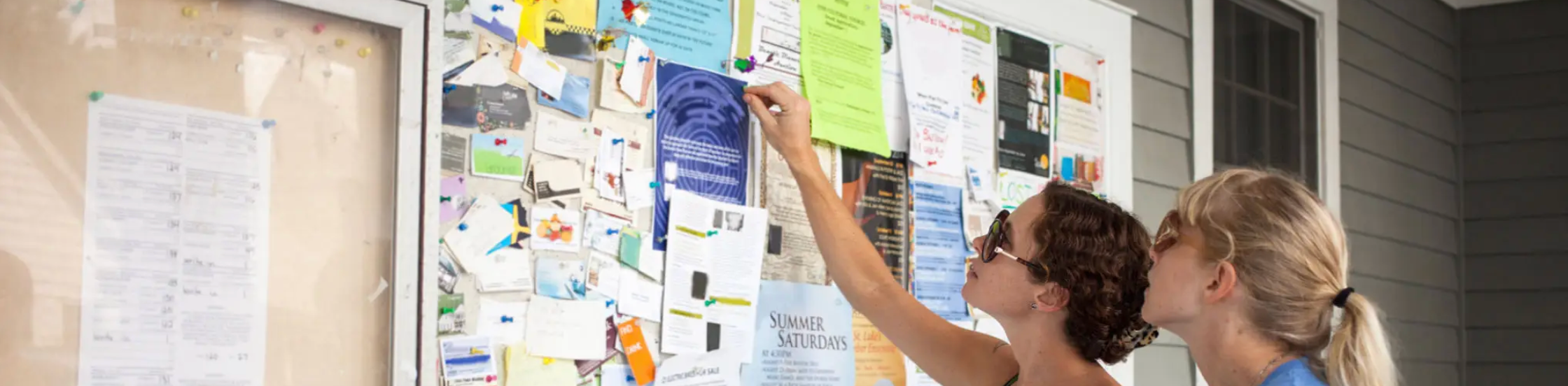
In local government outreach, traditional channels still matter including local newspapers, community boards, and utility bills, but digital communication solutions work in relation to those traditional channels to reach across demographics and support messages in reaching residents multiple times in different ways. This includes finding and consistently using the right government social media channels that work for your demographics.
When building trust, direct outreach also matters, including community events, town halls, and even door-to-door or person-to-person when appropriate. Partnering with organizations that can reach into your community hubs and support your messaging through creative engagement strategies is also a way to show up authentically. Activating your community hubs, such as schools, libraries, and community organizations, can lift your messaging into where people naturally gather.
Consistent Messaging Across All Touchpoints
As floods of information come at residents in different ways and through different channels throughout the day, making sure your municipal branding is present becomes a strategy unto itself. No matter where or how messaging reaches residents, consistency brings that messaging deeper into your residents’ minds. They recognize it. They remember it. They absorb it. It’s not something they filter, but something they understand immediately.
A few key strategies to achieving this include:
- Developing a clear campaign identity and tagline
- Maintaining visual and verbal consistency
- Adapting format without diluting message
- Creating a campaign style guide for all departments
Timing and Frequency Considerations
Budget often drives the timing and even the frequency of your public outreach campaigns but adjusting those timelines to also strategically position your campaign needs to factor in too. Fitting your campaign within the ebb and flow of your actual community can help you leverage what is already there.
This can include:
- Launching your campaign timing around community calendars, including community-wide events and festivals, school breaks, and holidays.
- Planning messaging repetition through channel diversification to avoid risking oversaturation (same message, different channel)
- Knowing when to use sustained campaigns vs. burst campaigns and planning them to work with each other
Build Trust Through Authentic Engagement
Trust in government agencies has eroded nation-wide, yet the work of government agencies continues, which makes building trust a pillar for doing the work. Civic engagement strategies and stakeholder communication that leads with the purpose of building trust will support outreach goals. There are a few guidelines that can help do this.
Two-way Communication is Non-Negotiable

If you want public participation then government transparency and clear communication channels become a conduit towards growing that participation.
A few tactics for achieving this include:
- Creating feedback mechanisms (surveys, comment lines, town halls)
- Responding promptly to public questions and concerns
- Sharing how community input shapes decisions
- Acknowledging limitations and challenges transparently
Leverage Trusted-Community Voices
Each resident lives and works within a trusted small community within your larger community and each one has its leaders and voices. Your stakeholder communication can leverage that trust to grow your own.
This can include:
- Partnering with local organizations and respected leaders to bring your messaging into specific communities
- Creating employee ambassadors from relevant departments that make what you do visible from a human perspective
- Developing peer-to-peer communication strategies
- Making testimonials from community members visible (with permission)
Accessibility and Inclusion
Community engagement without an eye to making your outreach accessible and inclusive will inevitably leave out certain residents, sometimes those you most want to reach.
You can remedy this through:
- Language translation for multilingual communities
- ADA compliance for all materials
- Culturally appropriate messaging and imagery
- Considering the digital divide and creating offline alternatives that are essential and not an afterthought
Tactical Execution: Engagement Tactics Proven for Local Government
Community outreach and public education that leads to behavior change needs components that will engage your residents and resonate throughout your community. Employing community engagement tactics that can do this can lift the effectiveness of your public awareness and behavior change campaigns.
Create Content that Resonates
When it comes to social marketing for government, your content has to resonate with your residents to not only get their attention, but to keep it and sustain it. Some concepts to keep in your toolbox when creating content include:
- Leading with benefits, not bureaucracy
- Using clear, plain language that avoids government and industry jargon
- Telling stories rooted in residential experiences
- Creating visual content that supports your messaging, including infographics, short videos, and before/after photos. They are storytelling techniques too.
- Making your content actionable with clear next steps that can be done in the moment
Proven Engagement Tactics for Municipal and County Governments
These community engagement tactics have demonstrated success across municipal public awareness campaigns nationwide.
Interactive and Experiential Tactics

These types of events and tools can help boost public participation and are examples of engagement that meets people where they are at, including:
- Self-assessment tools and calculators: Water usage calculators, recycling impact estimators, permit cost calculators
- Virtual and in-person demonstrations: Show don’t tell tactics that include equipment demos, facility tours, and hands-on workshops
- Pop-up events: Bring the campaign to farmers markets, festivals, and high-traffic community locations
- Interactive mapping tools: Let residents report issues, track progress, or explore neighborhood data
- QR codes on physical infrastructure: Link from street signs, bus stops, or utility notices directly to campaign information
Gamification and Recognition
This type of engagement tactic can help create more budget-friendly government awareness campaigns while also upping enthusiasm and community building factors.
These include:
- Community challenges: Neighborhood competitions (energy conservation, beautification, participation rates)
- Achievement badges and milestones: Recognize early adopters and make sustained participation visible
- Leaderboards: Public recognition for top-performing neighborhoods or groups (when appropriate) can bring visibility to action that can spread to other residents
- Streak tracking: Encourage consistent behavior (consecutive weeks of recycling compliance, attendance)
- Rewards that matter locally: Recognition at council meetings, certificates, features in municipal communications
Peer-to-Peer and Ambassador Programs
By using resident engagement tactics that invest in outreach at the neighborhood level you can grow public awareness from the center out.
These tactics may include recruiting and training resident volunteers who spread the message authentically as neighborhood champions. Or leveraging existing community structures through block captain networks or encouraging participants to bring along their friends and neighbors.
You can also build testimonial campaigns that use real residents sharing their experiences and outcomes or give residents ownership in campaign development through community advisory committees.
Strategic Incentives and Nudges
Sometimes behavior change campaigns can benefit from kick-off events that dovetail into growing support and program adoption through incentives and strategic nudges. These tactics often create a snowball effect by building success that begets further success.
You can reward early adopters with benefits that include discounts or priority access to build a critical mass that grows outward. Building social proof through recognizing resident adoption can do much the same thing.
Participation can also be encouraged through making it a default instead of a choice through opt-out rather than opt-in frameworks when it is legally appropriate. You can also boost participation by recognizing loss aversion and let residents know what they might miss out on, not just what they are set to gain.
One of the best strategic incentives you can build into any campaign is through simplification that removes participation barriers, such as pre-filled forms, one-click sign-ups, or automatic enrollment options.
Progress Transparency and Community Impact

If your public awareness campaign is set to show the benefits of participation and behavior change then measuring public awareness campaign success and showing that success can help build and sustain momentum.
This can be done in several ways, such as real-time dashboards, before and after comparisons, impact statements, or regular milestone celebrations.
All and all, you can close the feedback loop by showing how participation led to tangible community improvements.
A Final Word on Awareness Campaigns Best Practices
When it comes to informing your community, overcoming the unique challenges faced by local governments means going beyond good intentions. By investing in awareness campaigns best practices, you can create effective engagement that builds trust and moves information into action.
Blog Archive
-
 Electric Co-ops02 Sep 2026 Best Practices
 -
 Building Meaningful Engagement: Best Practices for Public Awareness Campaigns in Local Government18 May 2026 Best Practices
 -
 NTC Studios - Digital Solutions02 Apr 2026 Best Practices
 -
 NTC Studios Video02 Apr 2026 Best Practices
 -
 NTC Studios Graphics02 Apr 2026 Best Practices
 -
 HR Content for Humans by Humans04 Feb 2026 Best Practices
 -
 Customization for Your Community Outreach Content13 Jan 2026 Best Practices
 -
 Keeping Your Community Safe09 Jan 2026 Best Practices
